Be a Better Ally to People With Disabilities
Being a good ally to individuals with disability starts with kindness, curiosity, and listening. These tips are here to help you feel confident, respectful, and welcoming when interacting with disabled people—whether it’s a new friend, a classmate, a coworker, or someone you meet in the community. This page is available in a printable PDF — click here to download!
1. Treat disabled people with the same kindness and respect you treat anyone else.
Say hi. Introduce yourself. Include them naturally in conversations and activities.
2. Don’t assume you know what someone wants or needs.
Ask first: “Would you like help?” or “Is there a way I can support you?” If they decline, respect that.
3. Every disabled person is unique.
Disability may be part of someone’s identity, but it doesn’t define their personality, interests, or humanity. Avoid stereotypes and get to know the person.
4. Use respectful language and follow the person’s lead.
Some people prefer identity-first (“autistic person”). Others prefer person-first (“person with autism”). Both are valid. Mirror the language the person uses for themselves.
5. Don’t stare.
If you want to connect, a simple “hi” is welcome, but don’t ask personal questions about someone’s disability.
6. Show empathy, not pity.
Understanding is kind. Feeling sorry for someone is not. Disabled people live full, joyful, empowered lives — disability isn’t inherently tragic.
7. Teach children early that disability is a natural part of human diversity.
If they have questions, answer them quietly and respectfully. Don’t make a disabled person explain themselves or be a teachable moment. If your child wants to say hi, follow the person’s cues to see if they are open to interaction.
8. Respect mobility aids, adaptive equipment and communication devices.
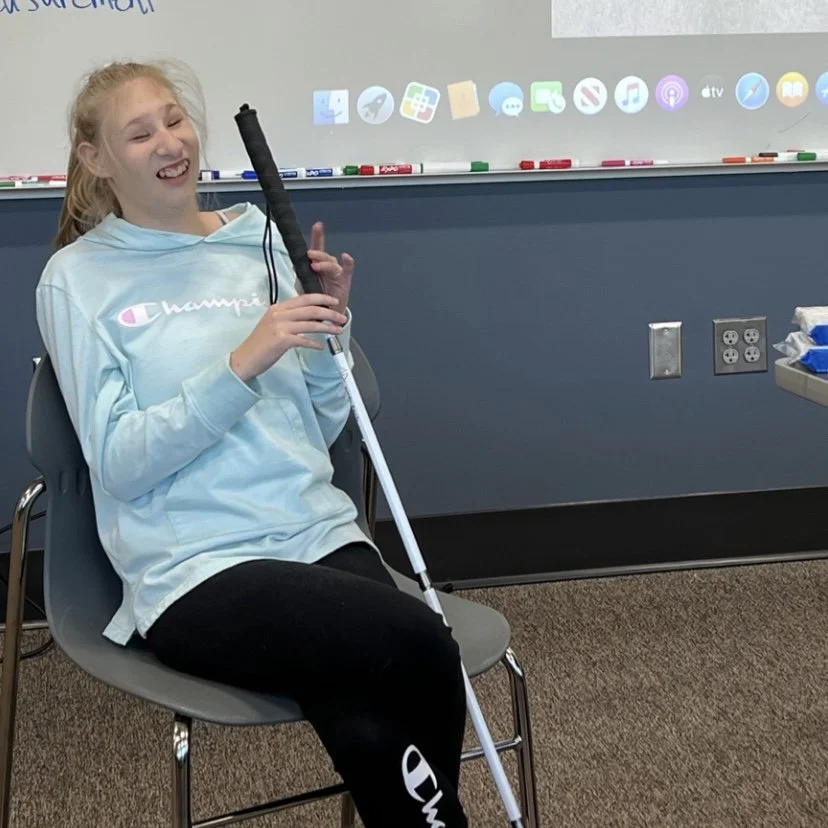
Wheelchairs, canes, AAC devices, hearing aids, Braillers, and service harnesses are extensions of a person’s body or voice. Never touch or handle them without permission.
9. Speak directly to the disabled person — not to their caregiver, interpreter, or companion.
Address the person first unless they direct you otherwise.
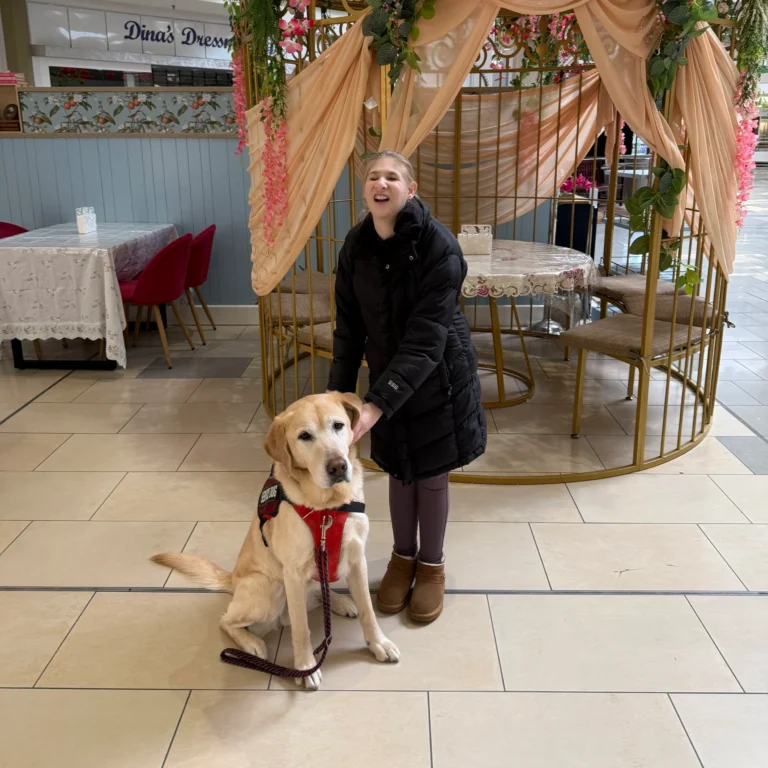
10. Service dogs are working.
Don’t pet, call to, or distract them. Their focus keeps someone safe.
11. Avoid unsolicited advice.
Disabled people (and caregivers) navigate countless professionals. Respect their expertise about their own bodies, needs, and lives.
12. Choose your words with care.
Comments like “What a shame,” “I’ll pray for you,” or “Bless your heart” can feel patronizing or dehumanizing. Support without pity.
13. Celebrate all lives.
If someone tells you they have a baby with a disability, respond with joy — not sorrow. Every child is a gift.
14. Privacy matters.
Avoid intrusive questions about diagnoses, prognoses, medical history, or life expectancy. If information isn’t offered, it’s not yours to know.
15. Ask about accessibility when you’re hosting or planning.
A simple, respectful question like, “Is there anything that would make this easier or more accessible for you?” helps everyone feel welcome.
16. Normalize disability as part of human diversity.
Don’t frame disabled people as inspirational for simply existing or “overcoming.” Value them for who they are — not for how they compare to non-disabled norms.
17. When you’re unsure what to say or do, choose kindness and respect.
The golden rule applies: Treat disabled people with the same dignity, autonomy, and humanity you’d want for yourself.